
By: Kimberly Harkey
Should I call in sick? Should I push through? These questions can be tedious and exhausting if you are Autistic or otherwise neurodivergent. I know I find myself often trying to figure this out in the middle of brain fog with a snuffy nose and a cough that feels neverending. It feels nearly impossible to access my best decision making power in that moment. During cold and flu season, Autistic and neurodivergent folks often have to make these decisions more often than we would like, which can increase stress, anxiety, and burnout around work and health.

Why Is It So Difficult?
Systemic Issues
It feels important to first acknowledge that deciding whether to call in sick is often tough because many jobs in the US provide limited sick days. The number of sick days may not match the number of days you are actually sick (especially since many Autistic folks have autoimmune and other chronic pain disorders). That policy can lead Autistic individuals to not trust their gut about their health because they need to go to work to get money. We can’t fix this in today’s blog, so I want to normalize this and then hopefully offer a few tips that may help you move through this process a little bit more easily.
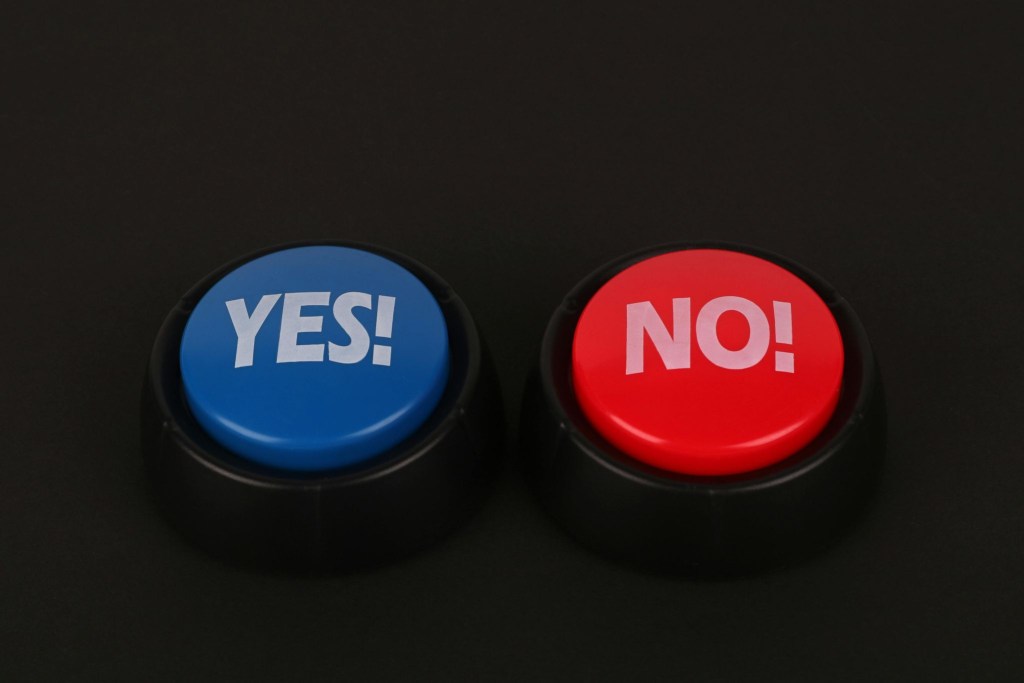
It’s Not Black and White
Autistic brains crave black-and-white thinking, things that can be easily sorted into tidy labels. There are ways to make the decision black and white when possible (keep reading!), but it can’t be black and white 100% of the time. There will be days when you know you are sick, but without clearly defined symptoms. There will be days when you know you need the rest that staying home would provide, even though you may not have an easily diagnosed sickness. Living in the grey is tough for Autistic (and some other neurodivergent brains too!), and yet it is necessary in taking care of yourself.
Decision Fatigue
There are already so many choices to make on a daily basis. Everything we do requires lots of mini decisions when we live in a world with endless options for everything. Going to the grocery store requires a decision for each thing you buy. All of these small decisions can be exhausting for neurodivergent brains that struggle with executive functioning. They often don’t leave much decision-making capacity left each day. So when you have to decide whether to call in sick to work or therapy, you may already be trying to make the decision on a low battery as an Autistic or neurodivergent person.
What Can Help?
Rest
I know this one can be hard to achieve. Autism and trouble with sleep often go hand in hand. Yet being tired makes decisions that much harder. Prioritizing and getting rest helps make sure your brain and body are able to make decisions. Finding the strategies to help with sleep that work for your brain is important. There is lots of advice out there for help falling asleep and it may take some experimentation to figure out what actually helps you.
Insight: Getting to Know Yourself
Take some time to reflect on your health. This may look like unstructured journal writing or sorting things into columns. A few helpful questions to reflect on:
- What are common symptoms you have dismissed in the morning that get worse throughout the day?
- What time of day do you find it easiest or hardest to make decisions?
- What morning task is difficult that tells you work might also be hard?
For example, if taking out the trash is hard, going to work may also feel physically draining. If your morning crossword puzzle feels more difficult, focusing at work may be tough. If you are Autistic or otherwise neurodivergent, you likely already know these correlations. Sometimes noticing them and using them as a litmus test can help in decision making around calling out sick.
Concrete Decision-Making Tools
This won’t work for everything or help every decision, but creating decision-making tools can help give some structure and a sense of black and white to the decision. It may be helpful to have a decision tree or a checklist with a threshold for calling in. Your decision-making tree could be long or short, specific or broad. You need to find one that helps reduce your stress and take the effort out of decision making. Your checklist could have a number-of-symptoms threshold where you call in at a certain number. It could also have red flag items, and if any of those get checked, you know you need to call in without having to think twice. For many Autistic and ADHD adults, having this kind of concrete tool can make sick-day decisions feel safer and more predictable.
Asking for Help
Lean on your community. We aren’t meant to do this alone. If any point in this process feels too difficult, reach out to a trusted person in your life. It can be difficult to be objective about ourselves, but friends often have a quick answer. If you don’t have friends and family ready to answer these questions for you, an online community or Reddit thread could be useful too.
Self-Compassion
Life is messy. Since there is no clear right or wrong for calling in, it is important to give yourself grace when making these decisions. Autistic and ADHD brains can often be self-critical. Your brain may say not-nice things if you go in to work but then don’t feel well by the afternoon, or if you stay home and later question that choice. How can you extend yourself kindness through your words to yourself or actions for the day?
This can look a lot of different ways. It may be tough, and self compassion is important. You may find kind words to reassure yourself that you are doing your best (because you are!). You may also be able to give yourself a chance to rest, find a quiet place to reset, or do something that brings you joy after you finish your work day.
Therapy
Therapy can also be a helpful support in navigating these decisions, especially for Autistic and ADHD adults who are dealing with anxiety, burnout, or long-term stress. A therapist who understands autism and neurodivergence can help you identify your own patterns, build decision-making tools, and practice self-compassion when you’re second-guessing yourself. They might work with you to create personalized checklists, scripts for calling out sick, or plans for how to cope with guilt and anxiety on days you stay home. Over time, therapy can offer a consistent space to process your experiences as an Autistic or neurodivergent person and make it easier to trust your body, your needs, and your judgment around taking sick days.

Conclusion
Calling out sick as an Autistic or otherwise neurodivergent person isn’t just a simple yes-or-no choice; it’s layered with systemic barriers, decision fatigue, and a brain that often longs for clear rules in a very grey situation. Giving yourself tools—like rest, self-reflection, therapy, and concrete checklists—can help you move from “I don’t know what to do” to “I have a process I can trust”. On the days when even that feels hard, leaning on a trusted person and practicing self-compassion can be the difference between spiraling in guilt and honoring what your body and brain are telling you. You deserve care, even when the world doesn’t always make it easy to choose yourself or prioritize your mental health.
Blog written by Kimberly Harkey LPC-S. Kimberly Harkey is the Owner of Roseate Therapy and provides individual therapy, supervision to LPC Associates, and training. Kimberly specializes in working with folks with ADHD, Autism, Psychosis, and Anxiety.
Leave a Reply